I rarely shy away from a challenge. I take the approach that if something is broken, I might as well try to fix it. This has driven continuous learning and helped me develop real competence across mechanical, electrical, design, and software disciplines. Below are some projects I have worked on, along with brief write-ups explaining what is happening in each.
For the lab, field, and leadership sections, the work doesn’t lend itself to photography, so those sections focus on skills, approaches, and experiences instead.
Note: These photos were taken in the moment, not for professional presentation; please excuse the quality.
Mechanical
My mechanical experience is my strongest area of self-taught study. I do nearly all the work and maintenance on my vehicles, bikes, and tools, and I am often the first person my friends call when they are having an issue. The only jobs I turn down are those where the specialty tools cost more than the labour; that said, I am constantly building up my tool collection to tackle more and more projects.
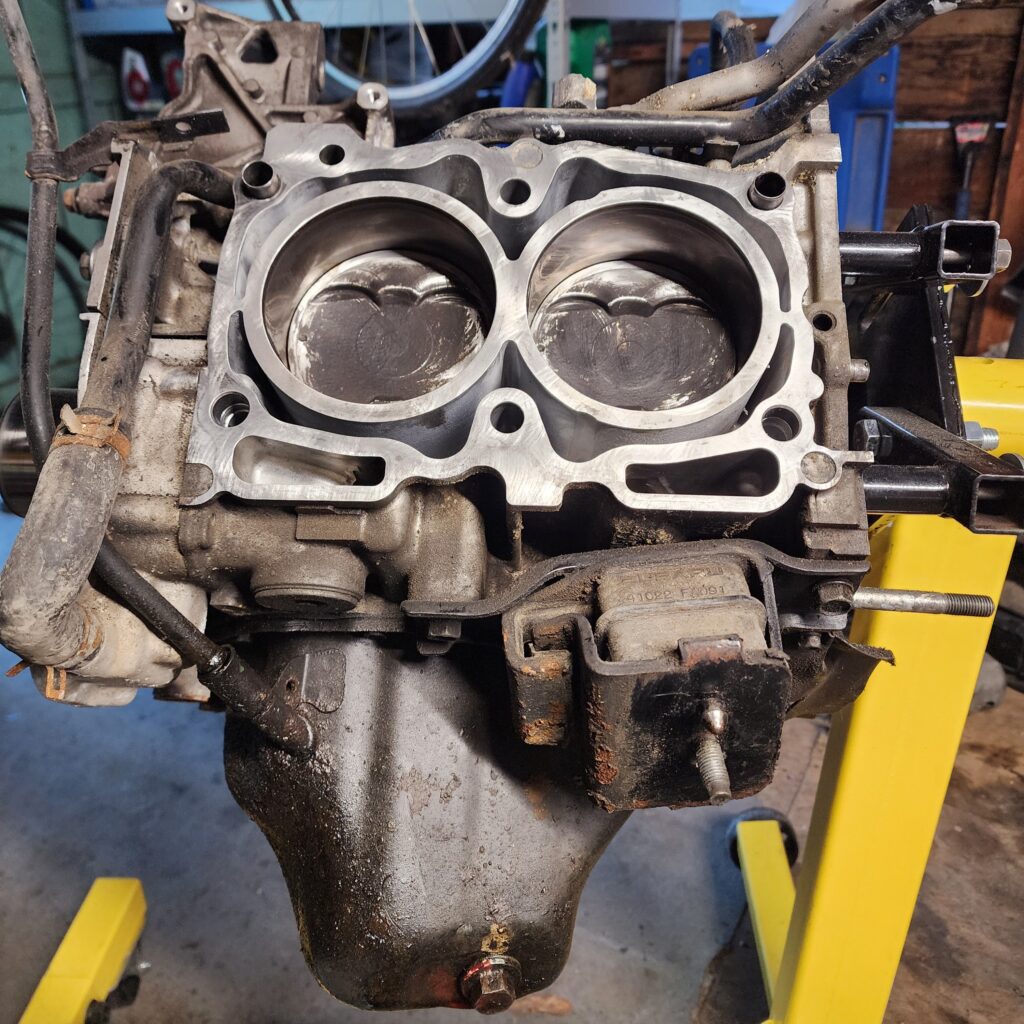
Starting with the biggest, I am currently replacing the head gaskets on a 2007 Subaru Forester. To do this, I removed the engine from the engine bay to ensure all mating surfaces were clean and to allow me to do some additional work while it was out. The majority of components in the engine bay were removed to make room to lift the engine out, which was then disassembled further to gain access to the heads. The heads were removed, and the engine and gaskets were inspected to identify the point of failure. At that point, the heads were cleaned and further broken down to prep them for the machine shop to grind flat. Since then, the heads have been rebuilt and reinstalled with new head gaskets. The remaining steps are to reinstall the timing belt, adjust the lifters to spec, close everything up, and reinstall the engine.
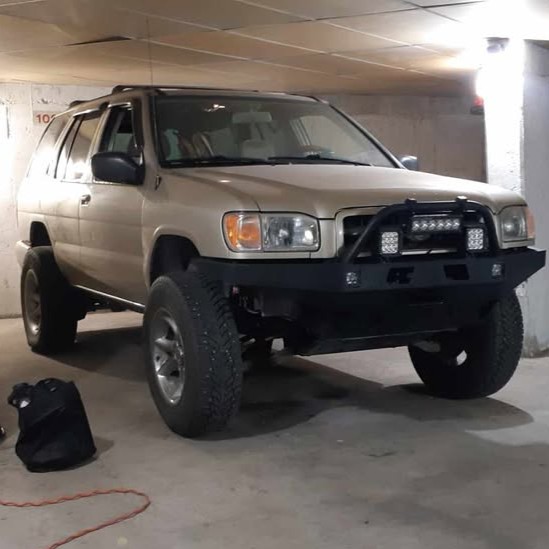
Another project I undertook was an overall upgrade to my old Pathfinder, an ongoing, multi-phase project that also appears in the electrical section below. Work completed includes a winch bumper install, lift kit, lighting upgrades, and various maintenance items. For the lift kit, the old springs and struts needed to be replaced, which I saw as the perfect opportunity to lift the vehicle. I removed the old springs and struts and replaced them with new, longer-travel, stiffer springs to support the added weight of the bumper. I also installed body spacers to raise the body slightly without putting excessive stress on the drivetrain. For the bumper, I removed the OEM bumper, trimmed the old tabs for a better fit, relocated the hood support bracket, and made several minor adjustments to ensure proper fit. From there, I installed lighting, a small light bar with two settings, four pod lights, and an interior bumper light for visibility when needed.
Another enjoyable project was restoring an old Canadian-built bike. I rebuilt and repacked all bearings except the bottom bracket, as I didn’t want to risk galling the cotter pins without the right tool. The bike received several new parts, including the chain, sprocket, cables and housing, brake pads, and loose ball bearings. The bearing races were still in good condition, so only the ball bearings needed to be replaced. Whatever wasn’t replaced was cleaned, polished, and returned to service. All chrome was hand-polished, the bars were rewrapped, and all cabling was replaced.
There are many more projects I’d be happy to discuss, though I don’t have photos to share here. These include repairing a chainsaw salvaged from the scrapyard and helping friends with a wide range of automotive work: diagnostics, brakes, alternators, starters, sensors, and more. Please feel free to get in touch if you’d like to know more.
Electrical
Electrical work has been a slow, solid buildup of skills over the years. I first got the itch working with electrical equipment through a college trades course on residential wiring. From there, I have steadily built my knowledge and hands-on experience across a range of electrical projects, including car and house wiring, small-appliance repair, circuit board work, solder-joint repair, and custom vehicle circuits.
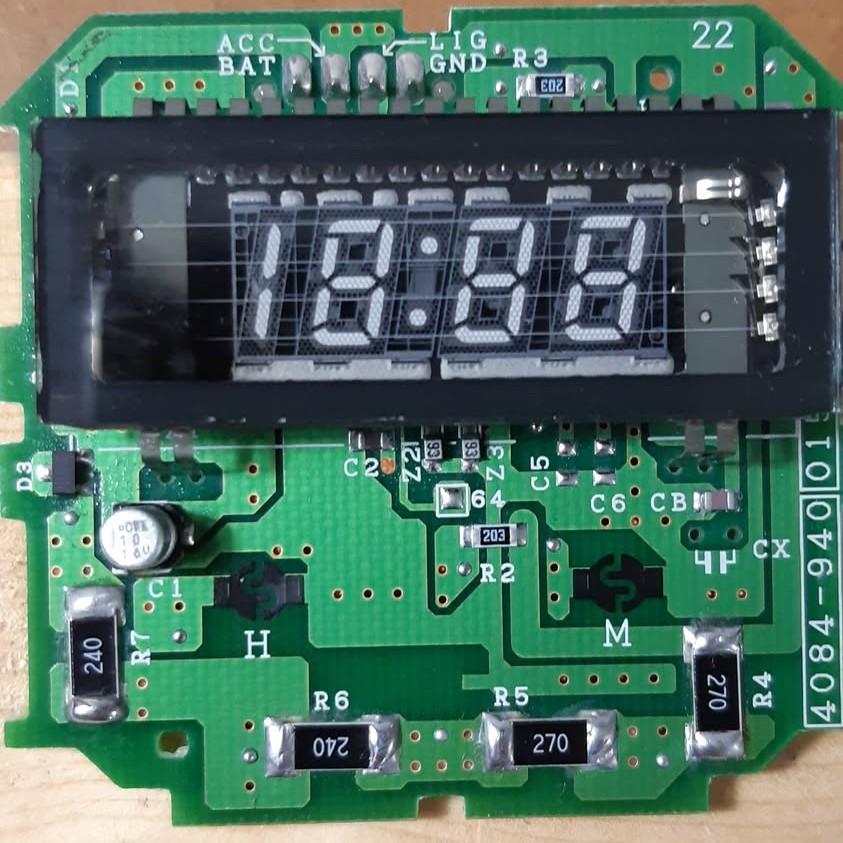
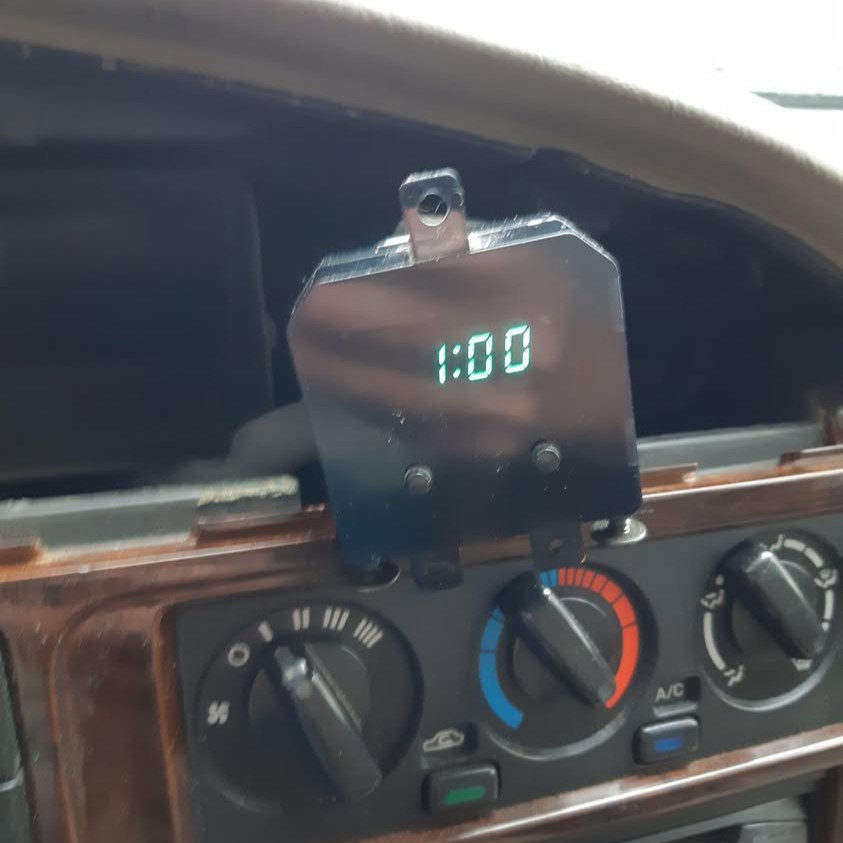
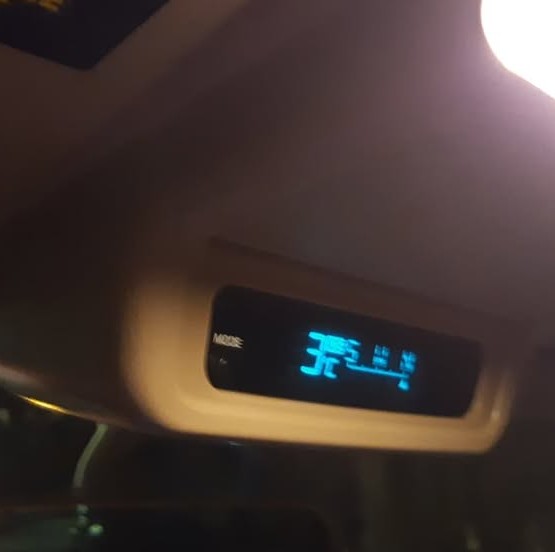
Building on the Pathfinder story from the mechanical section, I also tackled several electrical projects on that vehicle. Since the SE trim level lacked many of the features found on higher models, I set about adding some. One of my favourites was installing the above-head compass and temperature readout; this required installing a thermostat, mounting the display, and patching into the factory wiring loom. A relatively straightforward job, but one of the most satisfying outcomes. Due to the vehicle’s age, I also encountered several circuit board issues, including cracked solder joints, blown resistors, and fouled relay contacts. One job I particularly enjoyed was resoldering the clock to bring it back to life. I enjoyed it so much that I ended up doing the same repair for a couple of friends with the same issue, and have since repeated it on other vehicles.
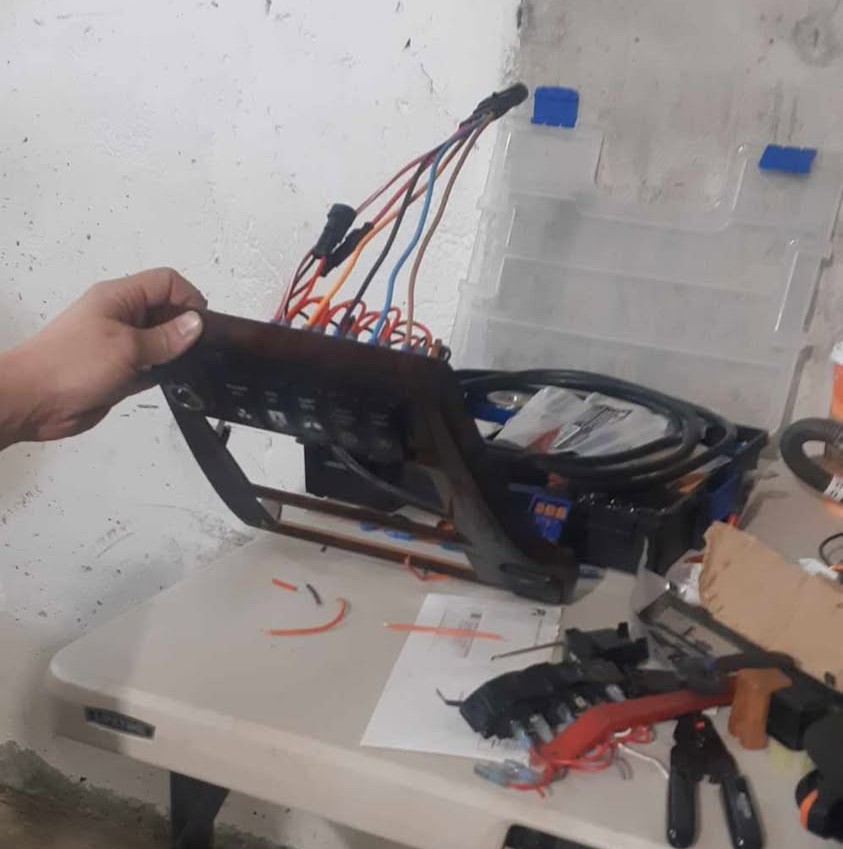
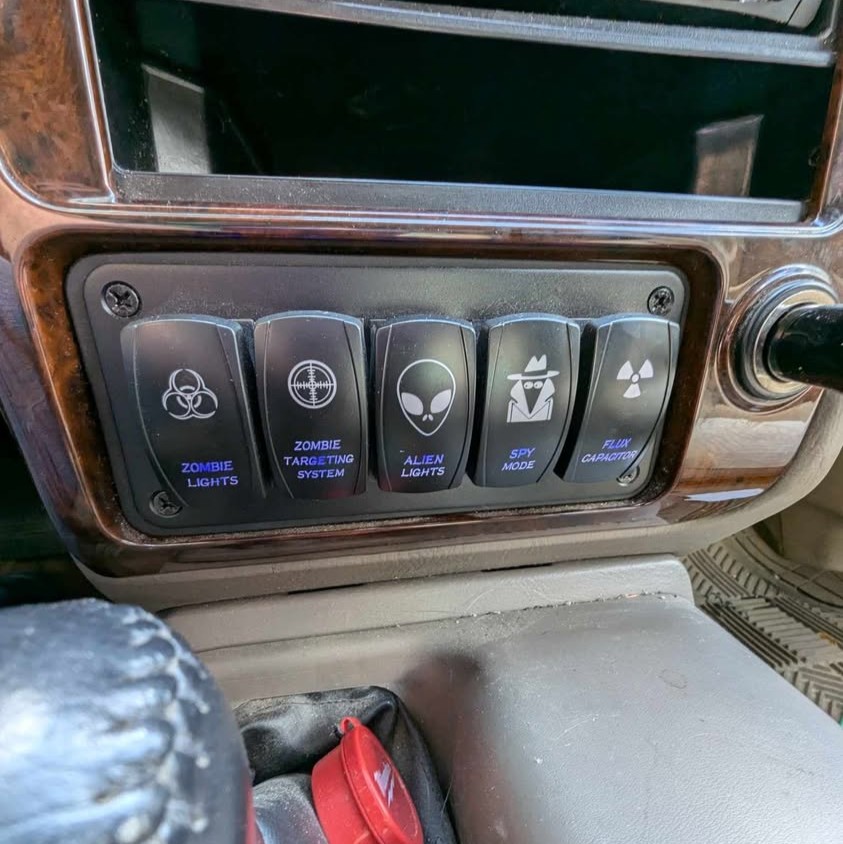
On the audio and lighting side, I have replaced stereos in both my own and other people’s vehicles, upgrading speakers in several of them. I also wired a custom switch panel to control multiple lighting options; all circuits ran through a fuse box, with switched relays on circuits where load requirements demanded it.
Beyond vehicles, I have repaired a couple of small motors to fix a windshield wiper system and a table saw, replaced the screen and display module on my laptop, and upgraded its RAM and storage. On the lighter side — I built a laser pointer from an old flashlight to entertain my cats. It works exceptionally well.
Lab To Field
My Earth and Environmental Science degree was designed to develop competency in both controlled lab environments and hands-on field conditions, and the field component in particular gave me experience with a range of techniques and sites throughout the Kelowna area and surrounding region.
The centrepiece of the field work was a two-week intensive field school: A demanding and immersive program that covered landform classification, rock and soil identification using multiple classification systems, surveying, and environmental monitoring across a variety of local sites. Beyond field school, additional day-based field courses further expanded that foundation.
During the In-stream monitoring work we conducted at Mill Creek, Mission Creek, and Vernon Creek, we mapped thalwegs, measured flow rates, and calculated discharge. This gave me practical experience in stream morphology, channel behaviour, and the field data collection that underpins environmental assessments.
Groundwater work involved visiting and sampling existing monitoring wells at several sites, including the Glenmore Landfill, Okanagan College, and the pond area at UBC Okanagan. At each site, we measured water levels and practised sample-collection protocols, building familiarity with monitoring well infrastructure and groundwater field methodology.
Surveying was carried out using both a surveyor’s level and GPS equipment. Where known reference points were available, we sited directly from them. Where they were not, we used multiple GPS units to establish the level’s position, giving me exposure to both traditional and technology-assisted surveying approaches.
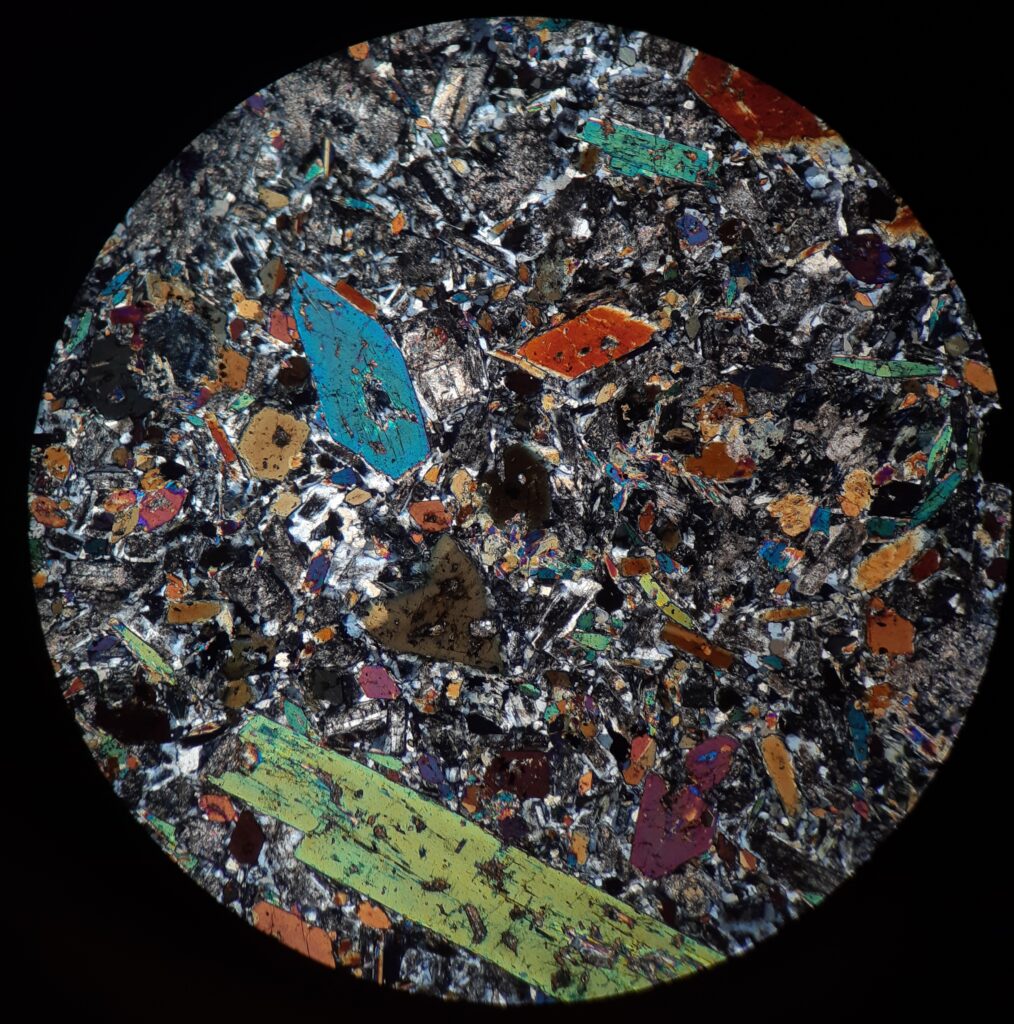
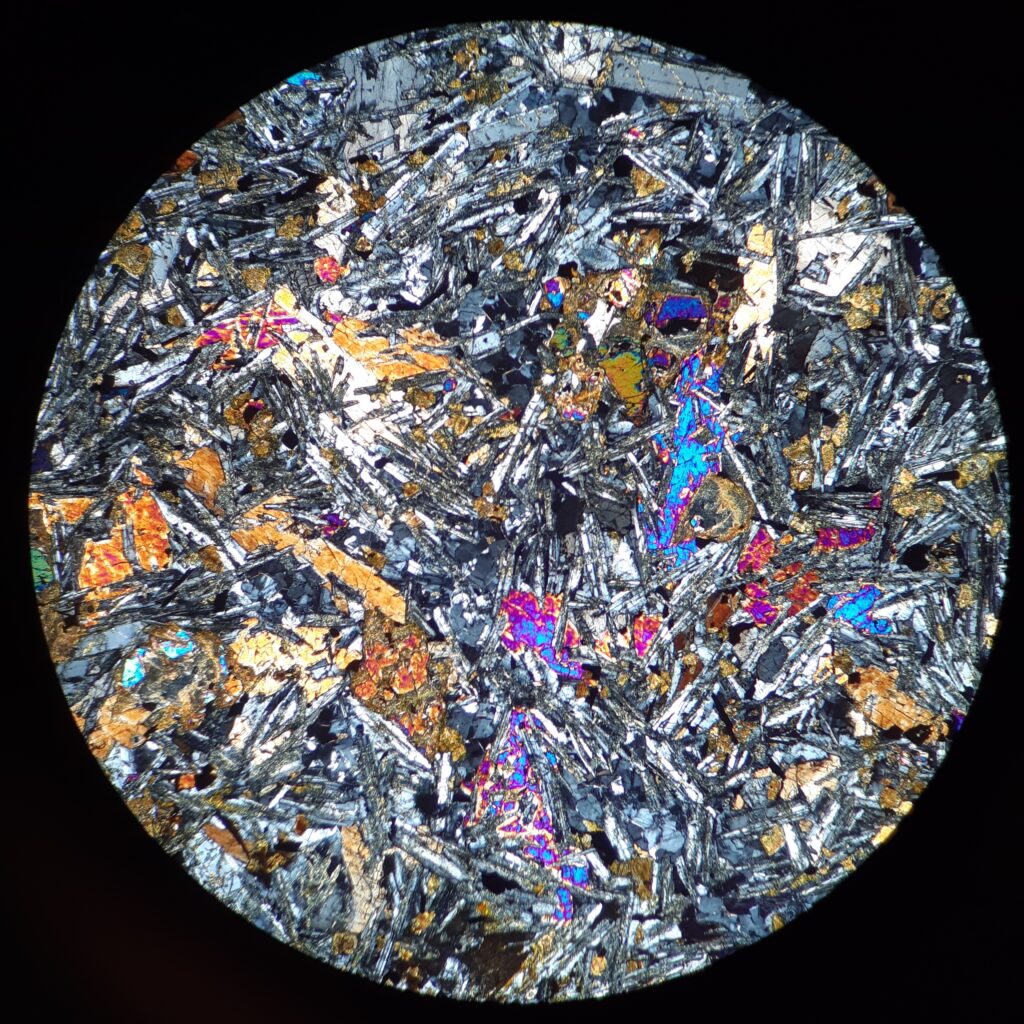
In addition to field work, lab-based coursework covered microscopy across multiple instrument types: stereo, compound, and polarizing microscopes in both transmitted-light and reflected-light configurations, hand-sample classification of rocks and minerals, spatial analysis and mapping in ArcGIS Pro, and case study work across Geology, Geomorphology, Geophysics, Hydrogeology, Hydrology, and Soils. Calculations were performed by hand, in Excel, and through various specialty software, depending on the application.
Digitally Fluent
We live in an age where understanding software and its limitations is becoming as important as any hands-on skill. I have always been drawn to learning new tools, and over the years, I have built a broad working knowledge across a wide range of software categories.
On the productivity and creative side, I am experienced with Microsoft Office and Adobe PDF; I also use vector and raster image-editing tools, including Inkscape, GIMP, and Affinity. For mapping and spatial analysis, I use both ArcGIS Pro and QGIS. For design and fabrication, I work in Fusion 360 for CAD modelling and PrusaSlicer for 3D print preparation. The website you are viewing right now was built by me in WordPress, which seemed like the most honest way to demonstrate that particular skill.
Beyond desktop software, I run two home servers, one built on Debian Linux and managed through CasaOS, and another built on Proxmox. This has given me hands-on experience with network administration, self-hosted applications, virtualization, and the kind of practical systems thinking that comes from building and maintaining infrastructure yourself rather than just using it.
Across all these tools, I have developed the ability to learn new software quickly, assess its strengths and limitations honestly, and identify the right tool for a given problem. When off-the-shelf software falls short, I have started learning Python to fill those gaps programmatically. I am still at the beginner stage, but am actively looking into online courses to build on that foundation, because if something can be automated or improved with a bit of code, I’d rather learn how to do it than work around it.
Design & Print
The moment I learned that 3D printing could produce functional parts, I was hooked. That realization drove me to teach myself CAD software, so I could design my own. I started with FreeCAD and moved to Fusion 360 after obtaining an educational licence. Along the way, I began learning to design with the manufacturing process in mind, accounting for material properties, print orientation, tolerances, and structural requirements rather than just modelling shapes.
My current focus is filament 3D printing, though I have also designed parts intended for sheet cutting and machining, only to find simpler or more enjoyable solutions along the way. Most of this work has been for my own enjoyment, but I have also designed and printed custom parts for friends, ranging from chainsaw dogs to macramé holders, which is about as wide a range as it sounds.
For personal use, I have designed custom toe-kick panels, a teaching aid to help visualize stereonets, and various replacement parts for equipment that would otherwise be difficult or expensive to source. Each project has pushed me to improve my design for actual use rather than merely for aesthetics.
I am currently working to strengthen my CAD skills by moving away from static models toward configurable, parametric design models that can be quickly adjusted and shared more easily, without having to start from scratch each time. Looking further ahead, I want to move into designing for metal using 3 and 4-axis CNC machining, including understanding tool paths and tool changes, and I hope to build my own CNC machine within the next few years.
Collaborate, Lead, & Train
Over the years, I have developed my skills in collaboration, leadership, and training across a wide range of professional contexts, both formally and informally. These three things are deeply connected for me, and I think that shows in how naturally they run through everything I do.
Collaboration
I fully believe a functional workplace runs on good collaboration. We are stronger together, and I bring that belief into practice every day. When working in a team, I always look for ways to maximize our collective impact, whether that means bouncing ideas around in a brainstorm, working hand in hand to get a task across the line, or stepping in to help a colleague when I’m ahead on my own work.
Collaboration has taken many forms throughout my career. At WildPlay, I worked with others to develop Standard Operating Procedures covering rescue protocols, reporting, and activity inspections. Some collaboratively, some individually, all with the team’s needs in mind. At Pick-n-Pull, where most of my day was spent working independently, I made a habit of finishing my own tasks and then heading into the shop to help wherever needed. It’s a small example, but I think it says something about how I approach teamwork; I don’t clock out mentally just because my list is done.
Leadership
My leadership experience spans both peer and formal roles, and I have learned something distinct from each. My core belief is that a leader’s job is to empower others’ growth while still getting things done; that philosophy has served me well. I regularly find peers seeking my guidance, and in formal roles, I have built strong, capable teams that can handle adversity without falling apart.
I think good leadership is less about having a style and more about knowing which style the moment calls for. Sometimes a democratic approach is right: getting buy-in, building consensus, making people feel heard. Other times, a more delegative or direct approach is needed, particularly when safety is at stake. A one-size-fits-all approach would have failed quickly at WildPlay. In my time at WildPlay, I might spend the morning building a staff member’s confidence, switch to direct instruction for a safety situation by midday, and spend the afternoon delegating across multiple areas simultaneously; often, the switching was far more frequent than that. Reading the room and adapting accordingly is something I genuinely enjoy about leadership work.
Training
Training has been a consistent thread throughout my career and naturally connects with my belief in empowering others. I have delivered training in structured, skills-based, and off-the-cuff formats, with and without Learning Management Systems, and I am equally comfortable in all of them.
For structured training, I developed and delivered courses at WildPlay covering guide operations and POS systems, training staff both at my home park and at other locations in the network. I did this both before and after a formal LMS was implemented, which gave me a useful perspective on the strengths and weaknesses of each approach.
For skills-based training, I have operated as a formal trainer, a peer trainer, and an informal one. As a formal trainer, I taught customer service, covering both soft skills, communication, empathy, conflict resolution, and hard skills, system use, procedures, and standards. As a peer trainer, I taught colleagues to use tools and perform tasks safely and effectively. Informally, I regularly share whatever skills I have with anyone who wants to learn them. This ranges greatly from installing wall anchors to diagnosing car problems.
Off-the-cuff training has been a regular necessity throughout my career. At WildPlay, I frequently needed to train staff on tools or tasks with little notice: Building trail stairs was one memorable example. At MEC, I delivered watersports clinics for colleagues with minimal preparation time and no set curriculum. What I have learned from those experiences is that the ability to teach clearly under pressure, without a script, is a skill in its own right, and one I have had plenty of practice developing.
I also served as a Teaching Assistant at UBC Okanagan, and while that is not traditional workplace training, I have always believed that teaching and training are more similar than different. Both require you to meet people where they are, communicate clearly, and care about whether the person in front of you actually walks away with something useful.